
Excitation and Engineering Services presents outstanding excitation system refurbishment case at STGUG conference
Excitation & Engineering Services (EES) attended the Steam Turbine and Generator User Group (STGUG) conference at the Emirates Old Trafford Cricket Ground, Manchester, on March 10, 2026. Deepal Trikha, graduate electrical engineer at EES, presented a system refurbishment case to Carsfad Power Station’s excitation architecture, demonstrating how hardware and software upgrades to decades-old synchronous machines can extend their service lifetime to match the facilities they support.
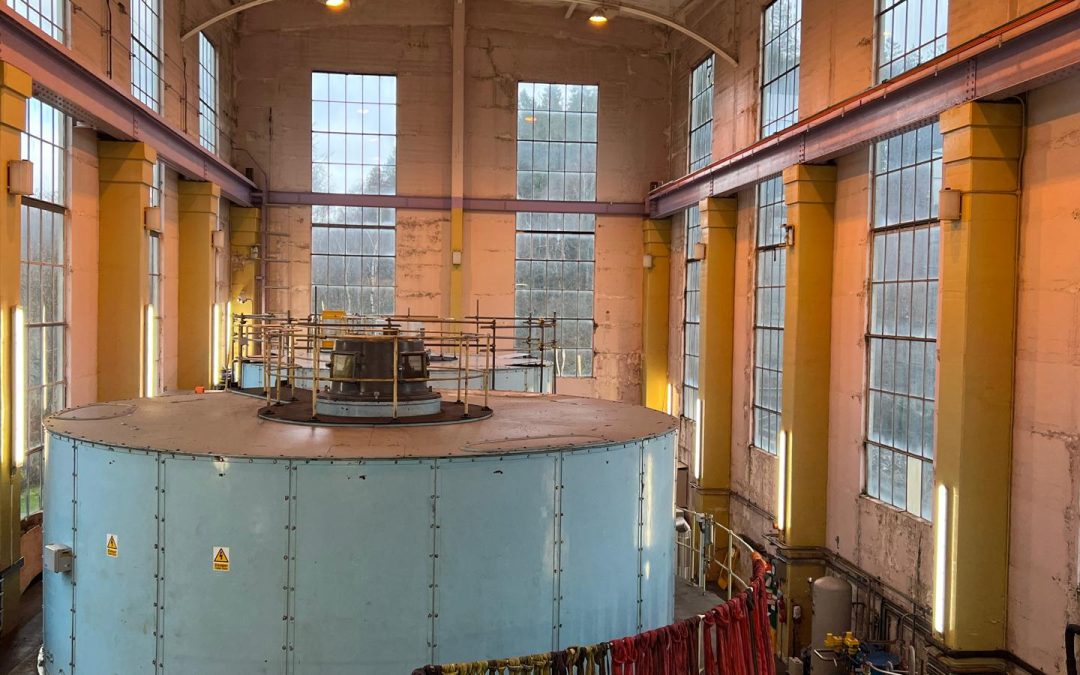
Commissioned in 1936 as part of the Galloway Hydro-Electric Scheme, Carsfad, Dumfries and Galloway, was one of the few remaining UK power stations with an operating DC commutator-based excitation system. The system was designed for flexible, rapid-response operations with a 12 MW hydroelectric generating unit.
Carsfad’s original excitation architecture had remained operational in the plant for 90 years. This meant it was vulnerable to brush and commutator wear, parts that are now obsolete, and the generator’s reliability depended on the mechanical condition of these almost century-old components.
What upgrades did EES make to the excitation control system at Carsfad?
In the original system, the automatic voltage regulator (AVR) controlled a shaft-mounted DC exciter, with DC transferred to the generator field through a mechanical field switch.
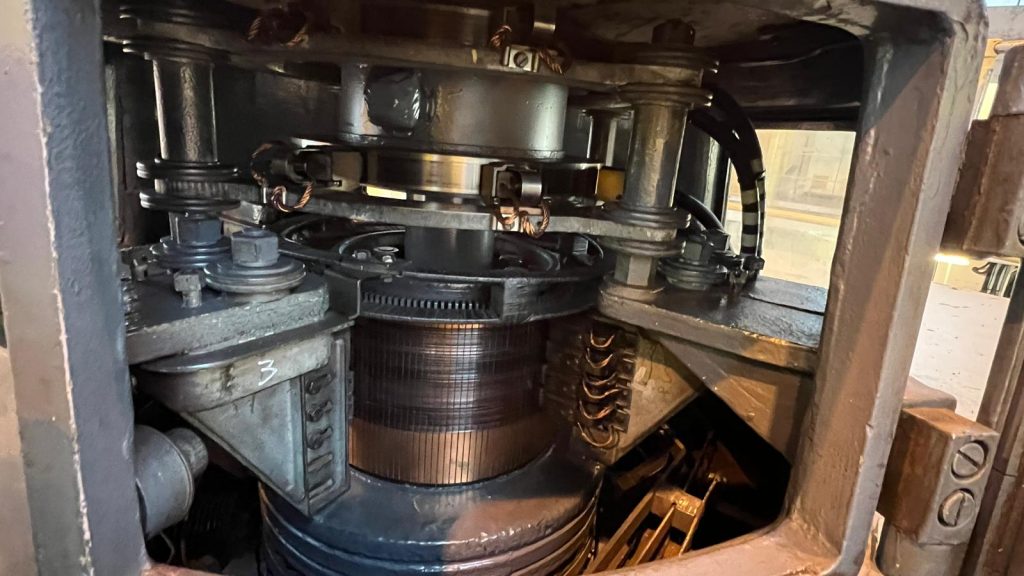
“The excitation response was limited by the additional exciter stage between the AVR and the generator.” said Deepal. “We observed a three second response time to a five per cent voltage step. This lag, along with the obsolescence threat, prompted the Carsfad engineering team to seek our support as part of an upgrade.”
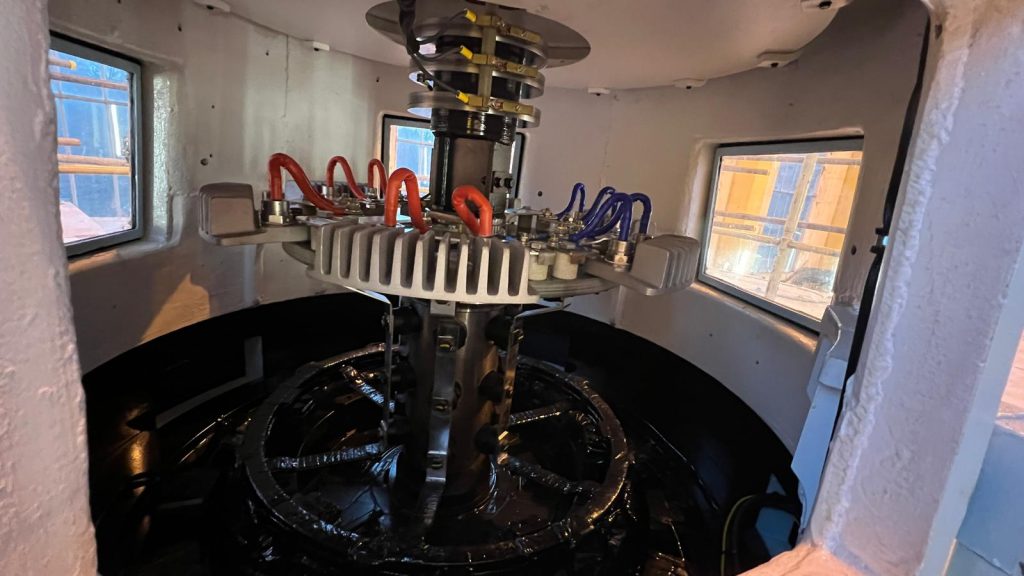
Electrical contractor Quartzelec removed the DC exciter and the mechanical field switch, and supplied the replacement brushless exciter, while EES was responsible for the control and integration aspects such as the AVR modelling and system retuning. AC excitation power is now generated by a brushless excitation system and rectified on the rotor using a rotating diode bridge.
This upgrade ensures that DC is supplied directly to the generator field without the need for mechanical commutation or switching. The project eliminated mechanical components, and their maintenance requirements, from the excitation system. Following the changes, the voltage step response was noticeably faster, an improvement achieved without introducing instability or excessive overshoot.
“The hydroelectric generation and long-term energy storage sectors in Scotland are growing, as public and private investment funds energy independence and flexibility,” said Ryan Kavanagh, director at EES. “Excitation expertise is an essential ingredient in the skills mix needed to improve the infrastructure that this growth relies on.”
To discover more about EES and its excitation systems consultation process, read about our system design philosophy here.
Recent Comments